
About the Program
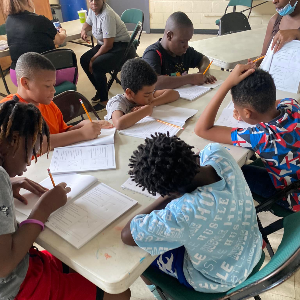
The African American Male Mentoring Initiative (AAMI) was designed to provide African American and other boys the opportunity to participate in a life-altering mentoring experience beginning in the second grade and lasting through the senior year in high school. Mentees are assigned a mentor who agrees to serve a two-three year term, providing both school and community based mentoring and enrichment activities.
Primarily, the project aims to provide a one-on-one relationship with a caring adult and enrichment activities.
of 2019 graduates are college-enrolled or gainfully employed
year mentor commitment providing consistent support
years of support from 2nd grade through high school graduation
The Challenge
Statistics show that boys growing up in poverty generally have fewer caring adults in their lives than normal. The average child growing up in poverty stays within an eight mile radius of their homes until they turn 13 years old. Many of the students that we served were in poverty and in attendance at Wiley Elementary. Wiley Elementary has a 122% poverty rate. Poverty is a daily reality for 100% of the boys that we work with. Most of the boys in our program experienced limited access to environments that cultivate social skills, academic background knowledge and cultural enrichment. Also, less than 25% of the boys at Wiley were proficient in both math and reading.
Overcoming Barriers
Because of their circumstances, many of our boys came into AAMI facing significant challenges. Over the years we encountered a number of participants who were in situations where expectations of them were extremely low. For a number of reasons, we encountered a number of participants who regularly expressed anger and violence when faced with confrontation.
Our participants faced extraordinary challenges including:
- One participant received a gunshot wound during his Sophomore year in high school
- Multiple boys whose fathers were incarcerated
- Participants whose fathers or other male figures in their lives were deported
- One participant returned to his home country for one year and did not attend school during that time
- Participants working third shift while attending school to support their families
- Young men working long hours to pay household bills due to family illness
Our Response
CISGG brokered a number of relationships with the community to support students in securing basic needs such as food, clothing, and shelter. We introduced the boys to multiple mentors over 8 years who made weekly contacts with them. We exposed the boys to a plethora of enrichment activities and experiences. We were very intentional about presenting our participants to a vast number of job shadowing and career exploratory opportunities. CISGG provided many of the participants with their first paid work experience.
Celebrating Success: Our First Graduating Class
Of course, the boys have demonstrated a tremendous transformation! We just celebrated our first graduating class of AAMI! Three of our participants enrolled into college. Three of our participants are gainfully employed in the Greensboro, NC community. All of these young men are well rounded adults; very capable of advocating and marketing themselves!
Our 2019 graduates include: Pedro Gonzalez, Yukail Tucker, Kevin Mendoza, Dorien Porter, Ian Keen, and Joshua Lawson.
Program Components
- One-on-One Mentoring: Mentors commit to a two-three year term, providing weekly contact and consistent support throughout the student's journey
- School-Based Activities: Regular on-campus mentoring sessions during the school day to support academic progress and social development
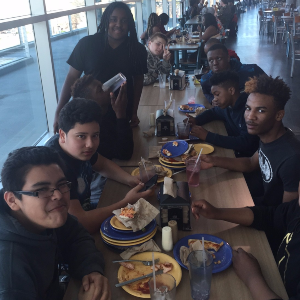
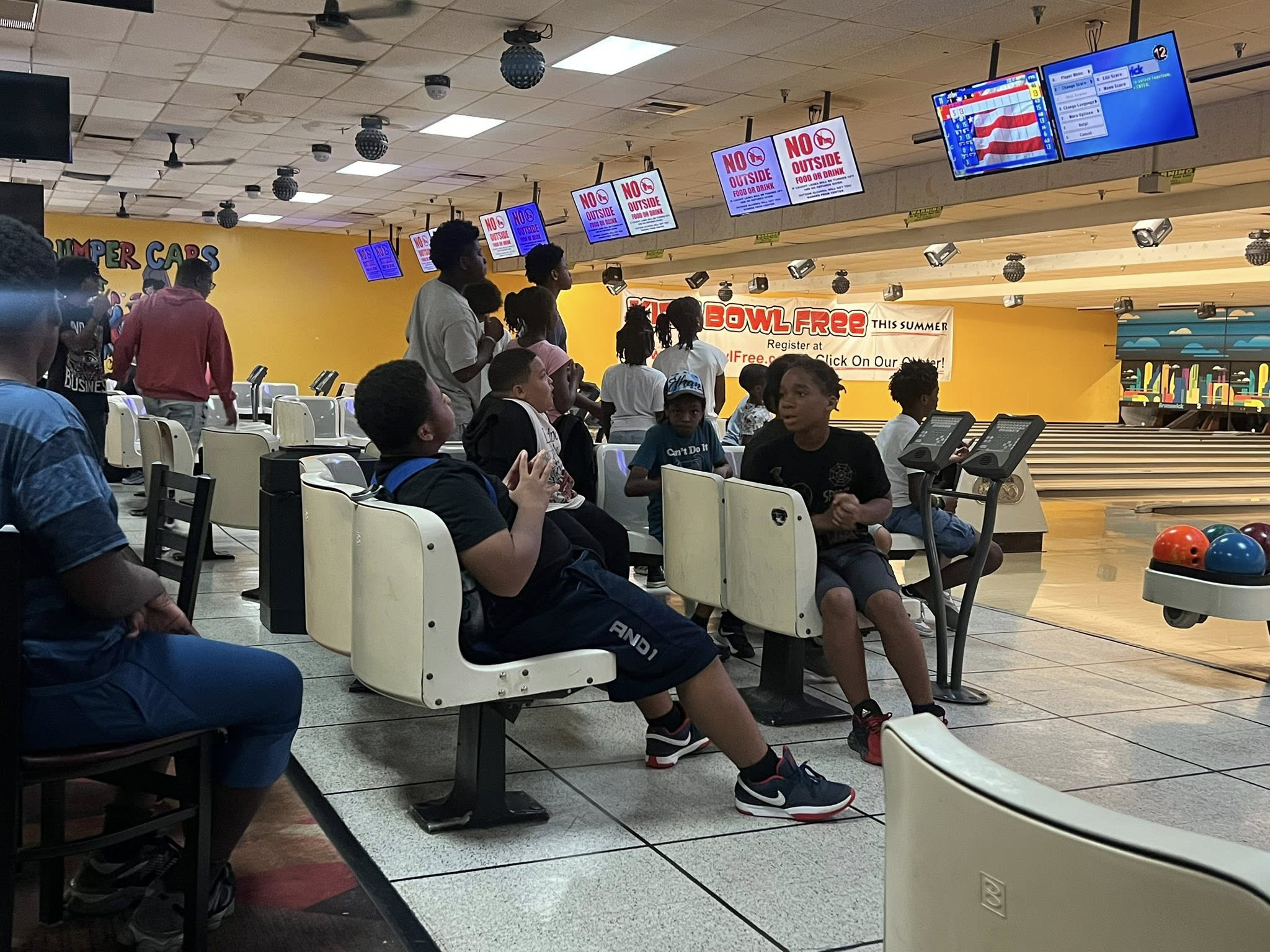
- Community-Based Enrichment: Field trips, cultural experiences, and activities that expand horizons beyond the eight-mile radius many students are confined to
- Job Shadowing & Career Exploration: Intentional exposure to diverse career pathways and professional opportunities
- Paid Work Experience: First-time employment opportunities for many participants, building work skills and financial literacy
- Family & Peer Relationship Development: Activities designed to strengthen communication and healthy relationships
- Life Skills Training: Alcohol and drug prevention, conflict resolution, and addressing sexual behavior in age-appropriate ways
- Basic Needs Support: Connections to community resources for food, clothing, and shelter through CISGG partnerships
"Communities In Schools of Greater Greensboro African American Male Initiative directed by Hubert Jones made a lasting imprint on me and continues to inform the research I am doing today on resilience in Black boys, men, and families...""
Who Can Participate?
The African-American Male Initiative serves African American and other boys beginning in second grade and continuing through high school graduation. The program was initially launched at Wiley Elementary and has expanded to serve students throughout their entire academic journey.
Program criteria includes:
- Boys beginning in 2nd grade through 12th grade
- Students facing barriers related to poverty and limited access to enrichment opportunities
- Commitment to participate in weekly mentoring sessions and enrichment activities
- Willingness to engage in both school-based and community-based programming
- Parental consent and family support
Become a Mentor
Male role models are critical to the success of our program. If you're interested in making a lasting impact on a young man's life, we invite you to become a mentor. The commitment is significant but the rewards are immeasurable—you'll witness firsthand the transformation of a young person overcoming extraordinary challenges to become a confident, capable adult.
Mentor commitment:
- Two to three year term with your assigned mentee
- Weekly contact and mentoring sessions (school-based and community-based)
- Participation in enrichment activities, field trips, and career exploration opportunities
- Background check and screening process
- Attendance at mentor orientation and ongoing training
- Partnership with CISGG staff to address basic needs and connect students to resources
- Support the whole young man—academically, socially, and emotionally